
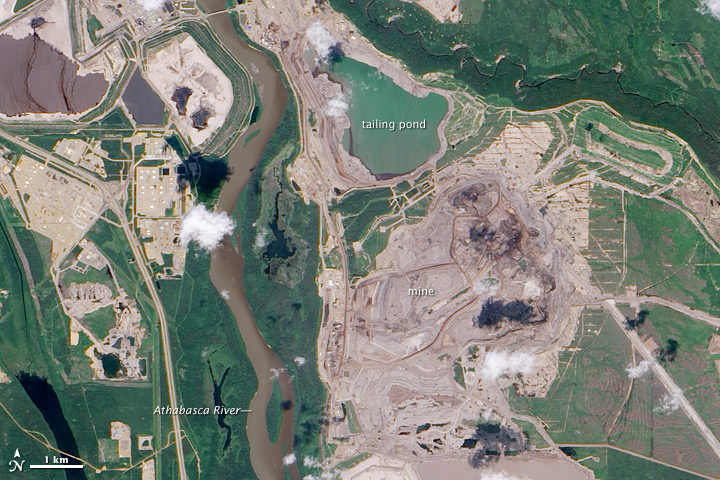
BC Insight's 2021 conference summary noted continuing declines in Alberta conventional sour-gas sulfur, partially offset by British Columbia rebound and oil-sands growth. The structural shift toward Fort McMurray upgrader and oil-sands sulfur concentrated Canadian solid-export logistics on remelt-form-rail-Vancouver chains. The wrap is at https://www.bcinsight.crugroup.com/2022/01/31/sulphur-sulphuric-acid-2021/.
USGS Canada about 4.9 million tonnes in 2021 is the national recovered book. Conventional sour-gas decline inside that total is why forming near the oil sands, South Cheecham in 2023, and remelt depth near Edmonton, Heartland in 2021, exist. Molecules moved north and east. Logistics had to follow. A gas-plant Claus in the Foothills is not a Fort McMurray former. The corridor is the product.
Alberta recovered sulfur still leaves mainly through the Vancouver stem. Sultran coordinating export sulfur from nine inland Alberta and BC facilities via CN and CPKC to Port Moody and North Vancouver, more than 1,500 gondola cars, is that chain in a company description. A 2.29 million tonne 2021 harbour year, down 14 percent, is the chain under-used on price and stem programming, not missing. 2022's 22 percent rebound is oil-sands sulfur finding FOB that paid.
Suncor's more than 800,000 tonnes a year of marketable sulfur across oil sands, gas plants, and refineries is the operator-level mix of this structural shift. Gas-plant tonnes decline. Oil-sands tonnes grow. Refinery tonnes track fuel. One marketing desk, three recovery geographies.
Argus noted several new Western Canada forming projects that could boost sulfur trading out of Alberta into Vancouver dry-bulk. Extra forming is a prerequisite for converting blocked or molten oil-sands sulfur into seaborne granules when FOB clears remelt and rail costs. Heartland's 30 June 2021 molten tank more than doubled storage at the Industrial Heartland terminal. September 2021 is that forming-and-storage build-out in motion.
Tampa about $192 in mid-June and $183 in the fourth quarter is the Florida contract oil-sands sulfur could rail into as molten, or form and load west. Two doors. The structural shift toward Fort McMurray makes the west door more important. It does not close the south door. USGS 73 percent Canadian share of US elemental imports for 2017-20 is the south door.
Licensed weekly grids are not restated. The sour-gas decline and oil-sands offset are BC Insight conference language, later consistent with AER-via-Argus 2023 Alberta production up 11 percent on bitumen and heavy sour crude.
Figures follow BC Insight. Alberta's shift from sour-gas to oil-sands sulfur is the 2021 corridor-geography chapter.