
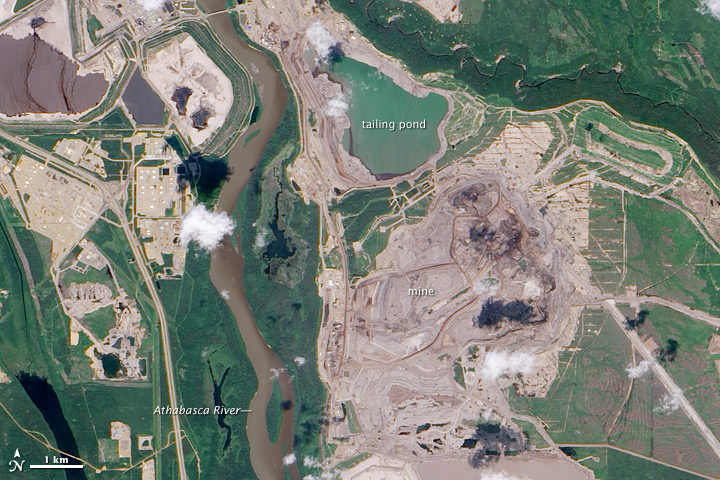
Suncor's public sulfur trading page states annual marketable sulfur production above 800,000 metric tonnes across Fort McMurray oil sands, Alberta and British Columbia gas plants, and Edmonton, Montreal, Sarnia, and Commerce City refining sites. Product moves as molten and formed or prilled sulfur into North American fertilizer and chemical markets and export chains. The page is at https://www.suncor.com/en-ca/what-we-do/supply-and-trading/sulphur.
More than 800,000 tonnes a year is a single-operator recovered stream, not Canada's 4.9 million tonne USGS 2021 book. Oil-sands upgraders, sour-gas plants, and refineries are three recovery geographies under one marketing desk. Molten rail south and formed tonnes toward Vancouver are the two doors that desk uses. USGS Canada at about 73 percent of US elemental imports for 2017-20, MCS 2022, is the rail book's national share.
Alberta recovered sulfur still leaves mainly through the Vancouver stem when it is formed for export. Port of Vancouver sulphur was 2,291,630 tonnes in 2021, down 14 percent from 2.65 million in 2020. A soft solid-export year and a producer still marketing more than 800,000 tonnes means molten rail and domestic chemical offtake absorbed what the harbour did not. 2022's 2.79 million tonne rebound would pull more of that stream west when FOB paid.
Heartland Sulphur's new molten tank on 30 June 2021 had more than doubled storage at the Industrial Heartland terminal, the remelt-and-form node that turns blocked and crushed sulfur into railable granules. Suncor's marketable tonnes are the molecule side. Heartland and Sultran are the logistics side. Forming capacity, not Claus nameplate, set whether 800,000 tonnes became cargo or pad.
Tampa climbed from about $69 per long ton early in 2021 toward about $192 by mid-June and $183 in the fourth quarter, USGS and BC Insight. A producer marketing molten into that Tampa path and formed tonnes into a still-soft Vancouver year is a two-hub book. 2021 prices reflected supply issues after pandemic refining cuts more than a permanent demand boom, USGS language that fits a recovered-byproduct marketer.
BC Insight's 2021 conference summary noted continuing declines in Alberta conventional sour-gas sulfur, partially offset by British Columbia rebound and oil-sands growth. Suncor's mix of oil sands, gas plants, and refineries is that structural shift in one company. Fort McMurray is the growth leg. Conventional gas is the decline leg. Refineries track fuel runs.
Argus noted several new Western Canada forming projects that could boost sulfur trading out of Alberta into Vancouver dry-bulk markets. Extra forming is a prerequisite for converting blocked or molten oil-sands sulfur into seaborne granules when FOB clears remelt and rail costs. Suncor's 800,000 tonne marketable line is why those projects exist.
Figures follow Suncor's public page. Licensed weekly grids are not restated. More than 800,000 tonnes a year is the operator-level print under Canada's 4.9 million tonne 2021 recovered book.