
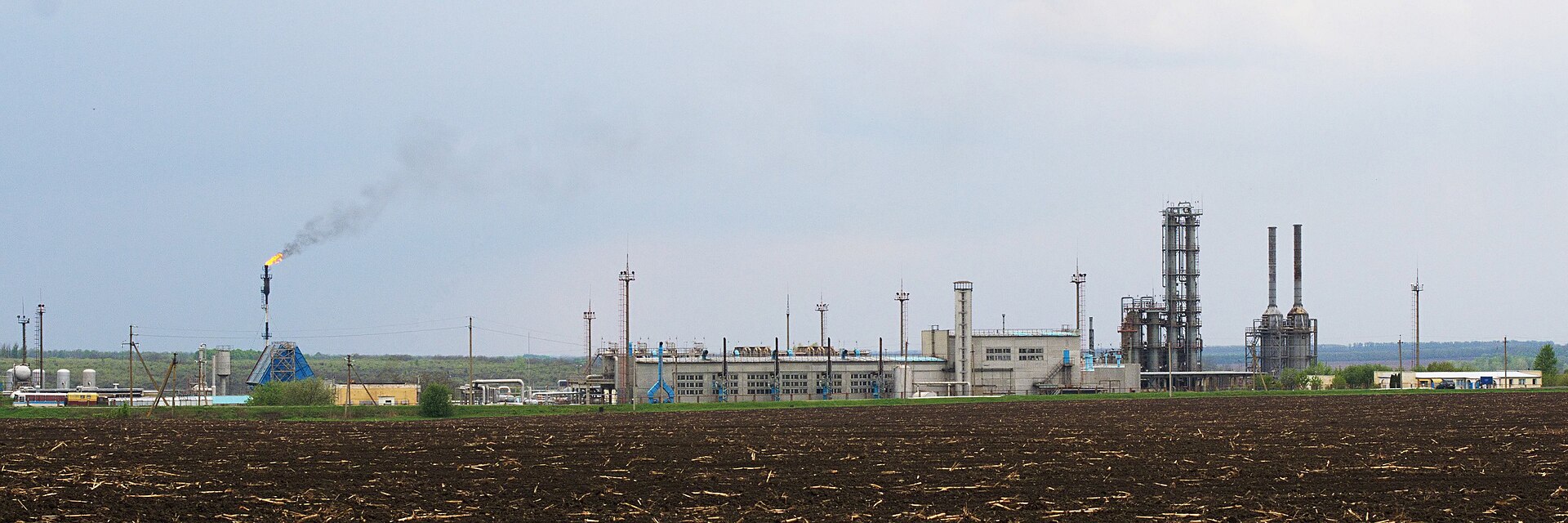
Heartland Sulphur's public materials describe about 4,500 tonnes a day of forming capacity at its Alberta Industrial Heartland terminal plus molten rail loading for North America. Commissioned around 2021 and expanded thereafter, the site is a key node converting crushed and blocked sulfur into exportable granules. Argus later reported remelt capacity there up 40 percent to 700 tonnes a day in June 2025, from 500, with 1,500 tonnes a day planned by end-2026. The later remelt item is at https://www.argusmedia.com/en/news-and-insights/latest-market-news/2755482-heartland-ups-re-melting-capacity-at-alberta-terminal.
May 2023 is the forming-node year, not the 2025 remelt expansion. About 4,500 tonnes a day is roughly 1.6 million tonnes a year of forming if the plant runs every day. That is granules and molten rail, not new oil-sands Claus. Lion Sulphur and Inter-Chem's joint venture, in Heartland's own telling, provides remelt and forming so Alberta producers can reach Vancouver dry-bulk and North American molten markets.
Alberta recovered sulfur still leaves mainly through the Vancouver stem. Heartland sits on the Edmonton-area rail map, not at Fort McMurray. South Cheecham's third-quarter 2023 start is the upgrader-belt counterpart. Two forming geographies: remelt depth near Edmonton, new recovery near the mines. Soft 2023 FOB used the first for current tonnes and left remote block in pad.
A molten storage tank completed 30 June 2021 had more than doubled molten storage at the site. 2023 operations sit on that tank and on the 4,500 tonne a day forming line. Take-or-pay and producer programmes keep the node busy when FOB is $72. They do not force remelt of 2010s Syncrude-area block. Price does that. Price did not, in May 2023.
BC Insight's 2023 Canadian balance, 4.5 million tonnes production, 4.1 million exported, 0.6 million domestic, is the surplus Heartland helps clear. VFPA 3.10 million tonnes is the Pacific slice. About 1.3 million tonnes molten south is the rail slice Heartland's molten loading can serve. USGS's 77 percent Canadian share of US elemental imports for 2019-22 is that rail book in a table.
Tampa $55 in mid-July and $102 in the fourth quarter, USGS, is the Florida contract molten rail delivered into. Vancouver 3.10 million tonnes at fading FOB is the solid book forming delivered into. Heartland does both. That is why the terminal is a corridor asset, not a single-hub plant.
2025's 700 tonne a day remelt expansion, then 1,500 planned, is what $238 January-July FOB paid for. May 2023 is the installed base those expansions sit on. Forming saturation, not remaining provincial stock, is the speed limit on how fast Canadian inventory can answer a later Gulf hole.
Figures follow Heartland public materials and later Argus remelt reporting. Licensed weekly grids are not restated.