
Alberta Energy Regulator data cited in open market reporting put July 2025 closing sulfur inventory at 11.66 million tonnes, down more than 377,000 tonnes, about 3 percent, year on year, and the lowest reading since May 2019. The Argus item is at https://www.argusmedia.com/en/news-and-insights/latest-market-news/2731279-alberta-sulfur-inventories-fall-as-exports-climb. Suppliers drew blocked stocks for remelt and rail to British Columbia and Alberta prilling sites as Vancouver export prices stayed elevated.
Export logistics costs typically exceed $150 per tonne, so inventory draws concentrate when FOB margins clear that hurdle. The January-July Vancouver FOB average of $238 per tonne, more than triple the $78 average a year earlier, is that hurdle cleared. 2023-24 softness had justified pouring to block. 2025 FOB justified the reverse.
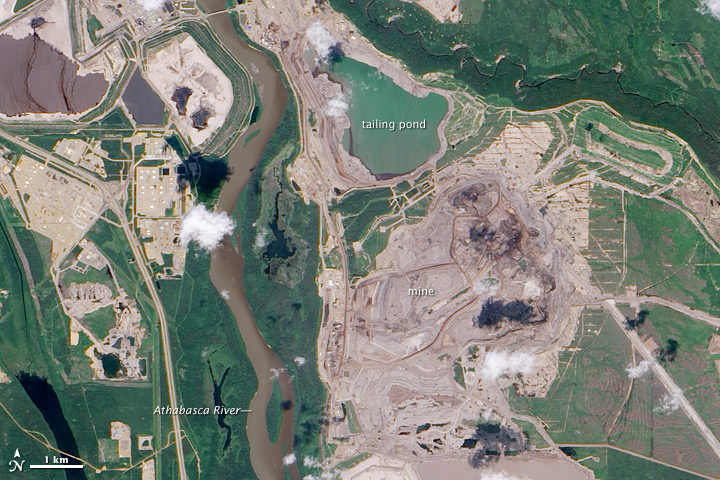
The 11.66 million tonne print is provincial, AER ST3-linked. Syncrude's later November facility print just over 9.9 million tonnes is the largest site inside that province. Most of the Canadian pile has long sat near Fort McMurray. A provincial low since May 2019 and a facility low since 2019 are the same draw seen at two scales.
Vancouver solid exports of 2.04 million tonnes in January-July, up nearly 5 percent, are the harbour counterpart. Destinations included a tripled Brazil, a jumped Cuba, a 5 percent higher Australia, and a 23 percent lower Indonesia. The tonnes that left block left through forming plants and unit trains, not through a pipeline.
Heartland Sulphur's remelt capacity increase to 700 tonnes a day, announced in June, with 1,500 tonnes a day planned by end-2026, is the Edmonton-area mechanical response. Excavate, melt, form, rail remains the sequence. Price does not skip it. A 377,000 tonne year-on-year provincial draw is months of that sequence.
Alberta recovered sulfur still leaves mainly through the Vancouver stem. World tightness in 2025, CRU's 1.9 million tonne deficit, shows up there as remelt draws and as FOB that pays the chain. USGS Tampa at $270 in early April and $252 in early July is the Florida counterpart. Two hubs drawing on the same Canadian recovered book, one as molten rail, one as Pacific solid.
UNCERTAIN: how much of the 377,000 tonne drop was oil-sands block remelt versus lower new pour. Facility-level AER products would refine that split. The public Argus item does not. The desk will not invent the split.
BC Insight's later 1.5 million tonne remelt across 2025-2030 treats this July print as the start of a multi-year destock, not a one-month event. Additional remelt capacity commissioning by end-2026 is the speed limit on how fast the remaining 11.66 million tonnes, and the later 9.9 million tonne Syncrude slice, can become cargo.
Figures follow Argus on AER-linked data. Licensed weekly grids are not restated.