
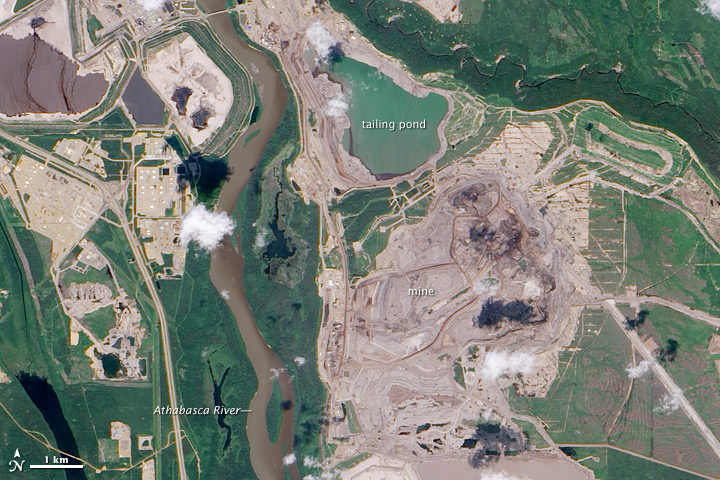
Open Argus reporting on AER figures framed Alberta's July stock draw as the start of a broader 2025 remelt cycle. Blocked sulfur is excavated, melted, formed, and railed to Vancouver and Port Moody for vessel loading. The 12 September item is at https://www.argusmedia.com/en/news-and-insights/latest-market-news/2731279-alberta-sulfur-inventories-fall-as-exports-climb.
Provincial closing stock in July was 11.66 million tonnes, down more than 377,000 tonnes, about 3 percent, year on year, the lowest since May 2019. With Vancouver FOB averages near $238 per tonne through July, producers had incentive to pull inventory despite export process costs above $150 per tonne. Further inventory declines were expected into year-end if prices and outbound liftings held.
They held. Early October FOB printed $305-310. September loadings were estimated near 386,000 tonnes. Syncrude's end-November facility print would come in just over 9.9 million tonnes, the first sub-10 million since 2019, after a nearly 400,000 tonne draw from end-2024. The September remelt-cycle frame is the right description of the rest of 2025.
Heartland's remelt capacity increase to 700 tonnes a day, with 1,500 planned by end-2026, is the Edmonton-area mechanical piece. Syncrude block still needs excavators. Forming plants still need rail cars. Loaders at Vancouver and Port Moody still need stems. Price pays the chain. Price does not skip steps.
Alberta recovered sulfur still leaves mainly through the Vancouver stem. A draw of 377,000 tonnes year on year at the provincial level is a stock release, not a rise in oil-sands Claus nameplate. UNCERTAIN, as the mid-year Outlook noted, is how much of that drop was block remelt versus lower new pour. Facility-level AER products would refine that split. The public Argus item does not.
USGS Tampa at $252 in early July and $310 in early October sits beside the $238 January-July Vancouver average and the $305-310 October FOB. Two hubs, both paying remelt. Canadian molten rail into the US and Canadian solid through Vancouver are both bids on the same Alberta block.
CRU's later 1.5 million tonne remelt across 2025-2030 is this September cycle stretched over five years. A 377,000 tonne provincial year-on-year print in July is consistent with that order of magnitude. It is not a 1 million tonne a month substitute for a later Hormuz hole.
VFPA's 2025 sulphur total of 3.51 million tonnes is the loadout that this remelt feeds. Destination mix toward Brazil, Cuba, Australia, and a smaller China share is where the remelted tonnes went.
Figures follow Argus on AER-linked data. Licensed weekly grids are not restated.