
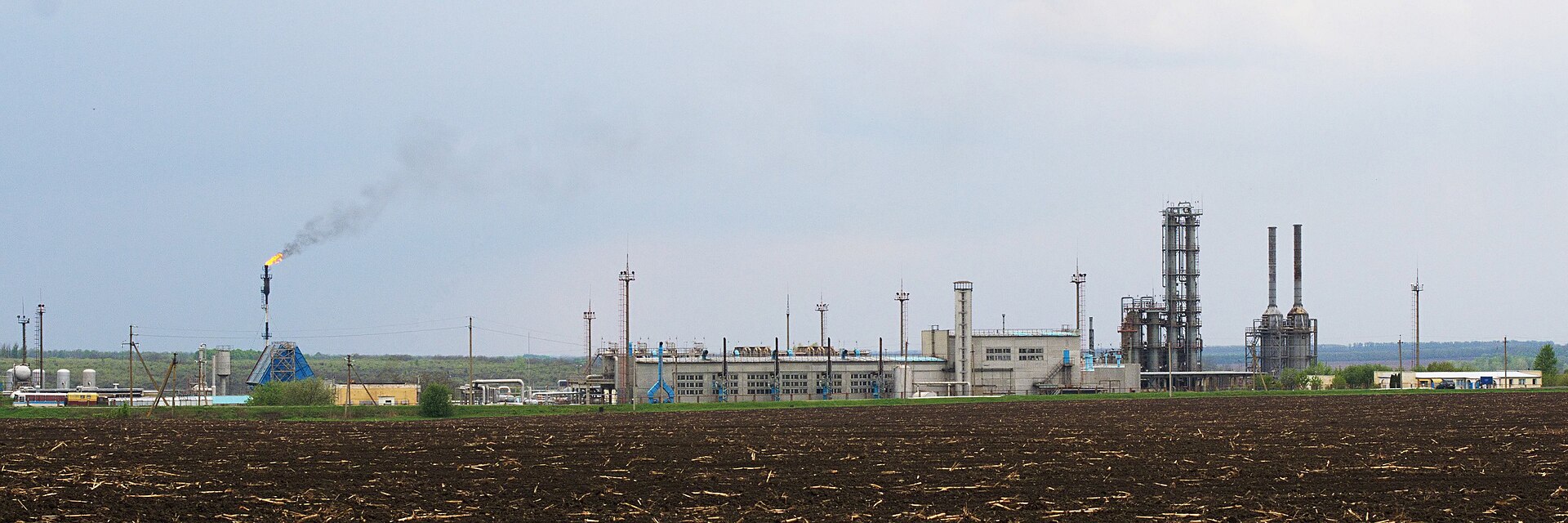
USGS Mineral Commodity Summaries 2026 estimates US sulfur production, all forms, at 8.1 million tonnes in 2025, down 3 percent from 8.32 million tonnes in 2024, with elemental recovered sulfur about 7.6 million tonnes. Apparent consumption fell to 9.1 million tonnes. World production was an estimated 84 million tonnes versus 83.9 million tonnes in 2024. Canada production is listed at about 5.0 million tonnes in 2025e after 5.06 million tonnes reported for 2024. The PDF is at https://pubs.usgs.gov/periodicals/mcs2026/mcs2026-sulfur.pdf.
The survey is the February 2026 annual frame, published into the last quiet days before Hormuz closed to commercial dry bulk on 28 February. It is a 2025 production book, not a 2026 logistics book. World output essentially unchanged at 84 million tonnes is the fact that makes 2026 a corridor crisis rather than a Claus-capacity crisis.
US all-forms production of 8.1 million tonnes continues a slide from 8.65 million in 2023 and 8.64 million in 2022. Recovered sulfur tracks refinery and gas-plant runs. USGS notes in the salient statistics that 2020 was the COVID utilization collapse, 7.88 million tonnes. 2025 is a milder decline from a post-COVID plateau, not another 2020.
Apparent consumption at 9.1 million tonnes, down from 9.36 million in 2024 and 10.2 million in 2023, is the demand side of that plateau. Phosphate and industrial acid in the United States used less sulfur in 2025 than in 2023. The 2026 Tampa path to $705 per long ton is therefore a supply-shock price on a demand base that was already lighter, not a 2022-style consumption boom.
Canada at 5.0 million tonnes 2025e sits beside BC Insight's 4.7 million tonne elemental estimate and Canada Action's above-4.43 million. Oil sands, in the March BC Insight note, were about 3.0 million tonnes of the elemental book. USGS all-forms and CRU elemental should not be forced into one number. They should be read as the same country in the first rank of producers.
Tampa contract path in the MCS 2026 notes runs from about $116 per long ton early in 2025 toward $310 per long ton in early October. That is the 2025 tightening CRU called a 1.9 million tonne global deficit year. 2026's $496, $655, and $705 quarterly Tampa prints (the last from Argus open news, https://www.argusmedia.com/en/news-and-insights/latest-market-news/2851577-tampa-3q-liquid-sulphur-price-hits-record-705-lt) sit on top of that already tight year.
Alberta recovered sulfur still leaves mainly through the Vancouver stem. USGS does not publish Vancouver tonnes. VFPA does: 3.51 million tonnes of sulphur in 2025. The MCS Canada 5.0 million tonne production line is the output those exports, plus remelt, plus domestic use, must live inside.
Net import reliance of 14 percent and Canada at 53 percent of elemental imports are the trade lines in the companion 6 February item. Production at 8.1 million tonnes is this item's line. Together they describe a US industry that still recovers most of what it needs and still depends on Canadian molten and a conflict-exposed import margin for the rest.
USGS Mineral Industry Surveys later paused during ScienceBase migration, leaving MCS 2026 as the last annual government production print through August. The desk will not invent monthly 2026 US recovered output. It will keep 8.1 million tonnes and 7.6 million tonnes elemental as the 2025e anchors.
Figures follow USGS MCS 2026. Licensed weekly assessment grids are not redistributed.