
BC Insight reported that early-June rainfall helped hold Lac la Biche-area wildfires that had prompted evacuation alerts near Cenovus, CNRL, and ConocoPhillips in-situ sites. The 23 March oil-sands sulphur note, still the capacity frame for this mid-June desk item, is at https://www.bcinsight.crugroup.com/2026/03/23/oil-sands-sulphur/.
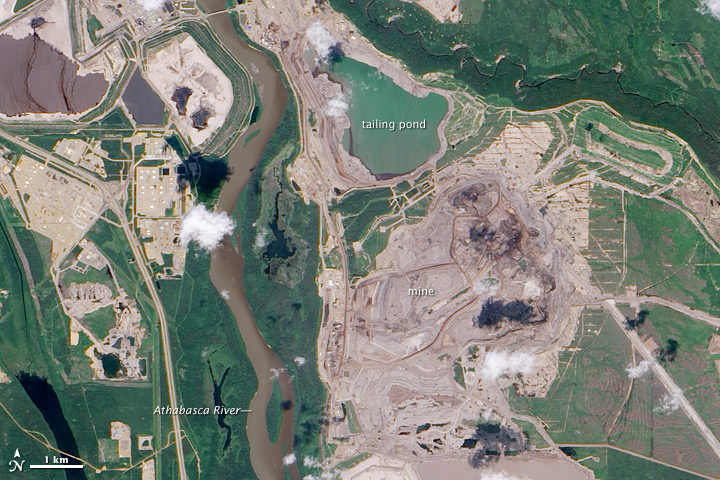
The broader Alberta oil-sands and upgrader belt has nearly 3 million tonnes a year of sulfur production capacity, including about 2.2 million tonnes a year near Fort McMurray (Suncor, Syncrude, CNRL Horizon) and about 700,000 tonnes a year around Edmonton (Shell Scotford about 580,000 tonnes a year; Redwater about 130,000 tonnes a year). Those are recovered tonnes from sour bitumen and gas, not a sulfur mine.
Evacuation alerts near in-situ sites are an upstream risk to bitumen, steam, and gas handling. Sulfur recovery stops when the hydrocarbon plant stops. A rainfall that holds the fire line is therefore a sulfur-supply print, even if no Claus unit is named in the fire copy. June 2026 was not the year the desk wanted a Fort McMurray sulfur outage on top of Hormuz.
BC Insight estimated Canada produced about 4.7 million tonnes of sulfur in 2025, with oil sands about 3.0 million tonnes, or 63 percent of output, and exported about 4.57 million tonnes. USGS MCS 2026 put Canada at 5.0 million tonnes all-forms in 2025e. Either way, the oil-sands belt is the majority of the Canadian book that SMM later called a swing supplier.
Alberta inventory is the buffer if a fire had taken units offline. Argus, citing AER, put provincial sulfur stock at 11.66 million tonnes in July 2025, the lowest since May 2019. Syncrude-area blocks have historically held most of that stock. A fire that stopped recovery would have drawn forming plants toward remelt even harder. Rainfall that holds the line leaves recovery running and remelt as a price decision, not an emergency.
Vancouver still takes the formed product. VFPA's 2025 sulphur total was 3,507,428 tonnes. Rail from Fort McMurray and Edmonton forming plants is the corridor. Wildfire risk to rail and to camp labour is a logistics risk as well as a production risk. The BC Insight note said the rainfall helped hold the fires. It did not say the rail corridor was closed.
Tampa Q3 molten later printed $705 per long ton (Argus, https://www.argusmedia.com/en/news-and-insights/latest-market-news/2851577-tampa-3q-liquid-sulphur-price-hits-record-705-lt). That Florida contract does not put water on a Lac la Biche fire. It does set how valuable each recovered Alberta tonne is if the plants keep running. They kept running, on this account.
The desk treats wildfire items as production-risk notes, not as FOB prints. Named operators are Cenovus, CNRL, and ConocoPhillips at the in-situ alerts, and Suncor, Syncrude, CNRL Horizon, Shell Scotford, and Redwater in the capacity list. No unnamed analysts. No invented outage.
Figures follow BC Insight's oil-sands sulphur reporting. Licensed weekly grids are not restated.