
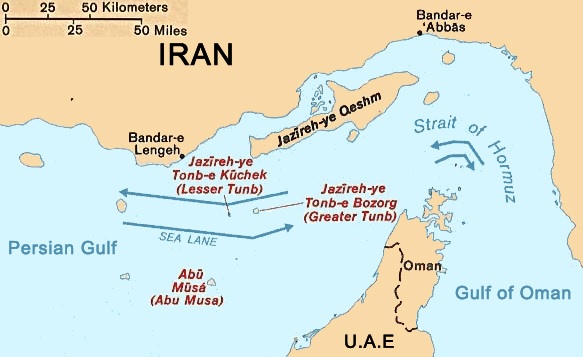
CRU and BC Insight's mid-year update estimates Middle East sulfur production loss around 2.3 million tonnes since conflict onset, with monthly exports down more than 1.0 million tonnes a month since March 2026. The region contributed over 45 percent of seaborne sulfur trade in 2025. The 14 July update is at https://www.bcinsight.crugroup.com/2026/07/14/sulphur-market-update/.
Spot FOB prices in that account climbed from roughly $500 per tonne pre-conflict to $1,100-1,200 per tonne by late June 2026, exceeding 2008 and 2022 peaks and forcing phosphate capacity cuts at OCP, Mosaic, and Chinese plants. Those FOB figures are CRU's public mid-year narrative, not a licensed weekly grid pasted here.
A 1 million tonne a month export hole is larger than Canada's entire monthly forming pace on most months. SMM's later June Canadian elemental print was 527,305 tonnes. VFPA's 2025 Vancouver year was 3.51 million tonnes, about 290,000 tonnes a month if spread evenly. Canada can be a swing supplier. It cannot replace the Middle East.
TFI's March brief put high-risk Gulf exporters at about 41 percent of global sulfur exports in 2025, with Iran adding about 4 percent. BC Insight's 23 March Dire Straits note put about 45 percent of the roughly 39 million tonnes of sulfur transported internationally each year on a Hormuz transit. CRU's July 45-percent-plus of seaborne trade is the same geography after four months of missing cargoes.
Alberta forming plants and the Vancouver stem are the Pacific answer to that hole. Canada already showed up in later trade press as a swing supplier. This 8 July item is the volume shock that made that role necessary. Remelt of Alberta block, rail to tidewater, and Vancouver loaders are the mechanical steps.
Tampa Q3 molten later settled at $705 per long ton delivered (Argus, 13 July, https://www.argusmedia.com/en/news-and-insights/latest-market-news/2851577-tampa-3q-liquid-sulphur-price-hits-record-705-lt). US Gulf spot solids printed $1,100-1,150 per tonne FOB in that same cycle. Those North American prices are the Atlantic translation of CRU's $1,100-1,200 Middle East FOB neighbourhood.
Production loss of 2.3 million tonnes is not the same as export loss of more than 1 million tonnes a month. The first is plants that cut or were damaged, including restart risk at Qatar's Barzan. The second is cargoes that do not sail, including more than 0.5 million tonnes CRU said were loaded and stranded and more than 1.0 million tonnes onshore.
Russia's ban through year-end and Kazakhstan's June suspension mean the 1 million tonne a month hole is not the whole missing book. CIS tonnes that used to move to Morocco and Brazil through Russian ports are a second hole. CRU's Middle East figure should not be read as the only shock.
Phosphate cuts at OCP, Mosaic, and Chinese plants are how demand met a hole that supply could not fill at any prompt FOB. Affordability, not Claus capacity, is the 2026 ceiling. Alberta remelt will keep moving while those FOB ideas cover remelt, rail, forming, and terminal charges.
Figures follow the CRU and BC Insight mid-year update. Licensed weekly grids are not redistributed.