
SunSirs' September 8 international sulfur review reiterated the structural split that has dominated late-summer trade: Middle Eastern contract postings edged lower while landed import costs stayed elevated.
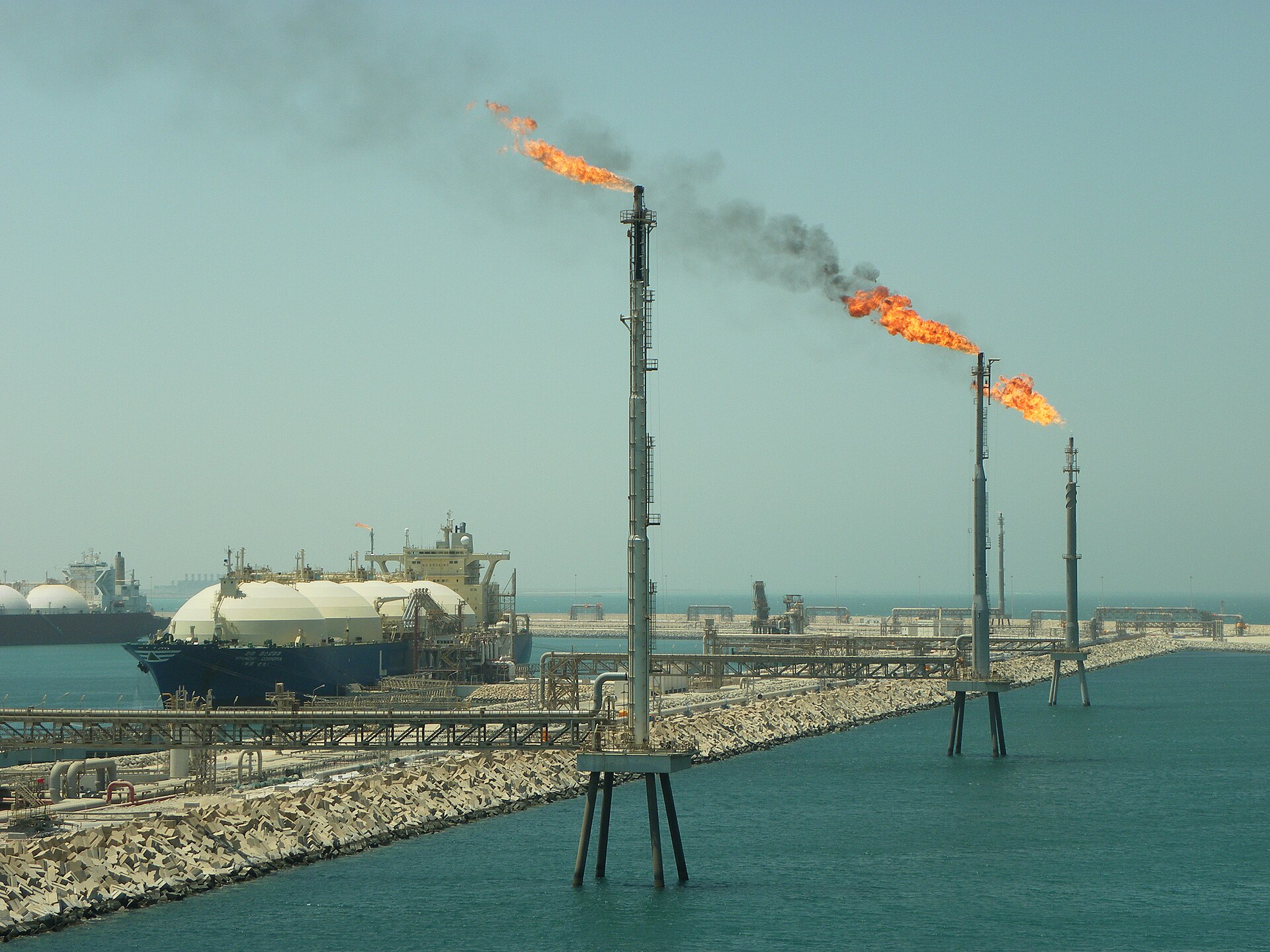
QatarEnergy's September 2026 monthly sulfur contract remains at 880 dollars per tonne FOB, down 10 dollars from the August price of 890 dollars per tonne.
The adjustment reflects an intention by Middle Eastern exporters to alleviate purchasing pressure on downstream buyers through minor price changes at the FOB line.
Actual landed costs did not follow. SunSirs said that based on Kuwait's August contract price of 865 dollars FOB, and factoring high freight rates plus Hormuz-route insurance surcharges, theoretical CFR southern China landed cost peaked above 1,070 dollars per tonne.
Geopolitical risk remains the primary factor driving actual international procurement costs at this stage, not the nominal contract posting alone.
Refinery capacity in key traditional exporting nations is reduced by approximately 30 percent in the same account, and spot market liquidity has dried up frequently into situations where prices exist but trading activity is absent.
Roughly 45 percent of global seaborne sulfur trade passes through the Strait of Hormuz, so the lane risk remains the binding constraint even when producer postings slip by 10 dollars per tonne.
Shengyishe's September 9 national benchmark at 8,126.75 yuan per tonne, down 0.91 percent on the day, shows Chinese domestic prices still correcting even as import-cost math stays four-digit on freight and insurance.
The domestic correction and elevated landed import costs can coexist when port stocks, refinery output, and autumn fertilizer demand set the spot market while seaborne supply stays rationed.
For Alberta and British Columbia recovery tonnes, Gulf FOB cuts do not automatically translate into lower Pacific FOB when Vancouver sellers price against delivered China economics and alternative destination netbacks.
SMM's September 8 review put Canada's July sulfur exports at 444,100 tonnes at an average 1,181 dollars per tonne, with China among six destination lanes.
Tampa molten sulfur settled at a record 705 dollars per long ton in the third quarter, the domestic liquid benchmark that prices some Western acid after Itafos moved Conda off the Vancouver index.
US Gulf solid exports above 1,100 dollars per tonne in open July reporting remain the seaborne ceiling against which Pacific granular competes into fertilizer and industrial destinations.
Desk read: September 9 keeps the Gulf-versus-landed split intact. Pacific stems bid on netback, not Gulf postings alone, while domestic Chinese prices correct on their own rhythm.