
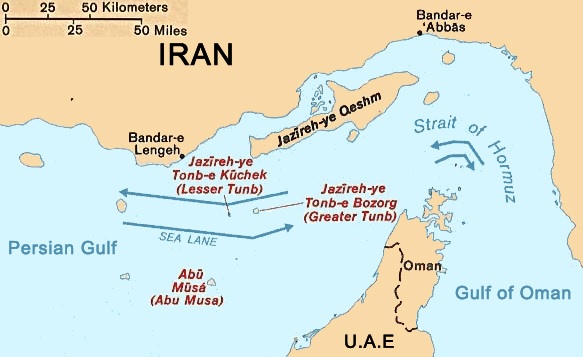
The 60-day memorandum of understanding between the United States and Iran on Strait of Hormuz shipping expired on 17 August without a successor deal, Fertilizer Daily reported on 23 August at https://www.fertilizerdaily.com/20260823-strait-of-hormuz-mou-expired-august-2026/. A United Against Nuclear Iran shipping update cited 19 August put only 12 vessels crossing on 16 August, eight inbound and four outbound.
Before the late-February conflict, daily crossings averaged more than 100. The June MoU had aimed to de-escalate Hormuz risk, but attacks on commercial shipping resumed in early July and the United States reinstated its blockade on 14 July. Expiration on 17 August passed without the final agreement both sides had described in June.
Iran's parliament speaker Mohammad Baqer Ghalibaf said the strait will not reopen until Washington lifts its blockade, releases frozen Iranian assets, ends the oil embargo, ceases military operations, and fulfills other conditions Iran says were in the lapsed memorandum. Iran has also established a Persian Gulf Strait Authority and claims no vessel may pass without its permit.
Maritime security firm Windward reported that on 19 August a bulk carrier was struck by an unknown projectile in the engine room while transiting outbound through the southern corridor, killing the chief engineer. Since the blockade was reimposed on 14 July, US forces have redirected 64 commercial vessels, disabled three non-compliant ships, and boarded two others, according to the Fertilizer Daily account.
Crude tanker counts are not sulfur tonnes, but they set the security envelope for dry bulk. TFI and CRU have described commercial sulfur shipments through Hormuz as near-zero since the Iran conflict, with more than half of globally traded sulfur normally transiting the strait. Limited exceptions, such as ChemNet's 73,500 tonne Middle East cargo at Zhanjiang on 20 August, do not reopen the lane.
CoBank's 13 August report warned fertilizer prices could remain elevated through 2028 because of Hormuz disruption. The Middle East accounts for more than 30 percent of global urea exports, roughly half of globally traded sulfur, and one-third of seaborne fertilizer shipments. CoBank counted 31 ammonia plants in the region directly affected or shut down.
Hellenic Shipping News, citing S&P Global Commodities at Sea, had already noted that fresh Gulf sulfur loadings lagged reopening signals because recent movements reflected stranded vessels rather than restored production. Russia extended its sulfur export ban through 31 December 2026 on 26 June. Kazakhstan suspended exports from 27 June. The lane and the CIS door are therefore closed together from the desk's perspective.
SMM's first-half 2026 chain review put Canada on a swing-supplier path at an annualized 5.22 million tonne export pace with Alberta and British Columbia more than 95 percent of national sulfur exports. VFPA's 2025 Vancouver sulphur total was 3,507,428 metric tonnes, up 5 percent year on year. That Pacific stem is the North American answer while Hormuz dry bulk stays at 12 crossings a day.
Tampa Q3 molten sulfur settled at $705 per long ton in Argus open news on 13 July. US Gulf spot solid exports were cited above $1,100 per tonne FOB in the same cycle. Those Atlantic prints price phosphate and acid plants that cannot wait for Hormuz insurance surcharges SunSirs put as high as $200 per tonne on Far East landed costs.
Alberta recovered sulfur still leaves mainly through the Vancouver stem. A Hormuz MoU that expires without replacement keeps Canada in the swing-supplier role even when crude tankers occasionally move. Twelve crossings a day is the operational read until a successor deal and insurer confidence return.
Open freight and policy reporting only. Figures follow Fertilizer Daily, UANI, and Windward citations. Licensed weekly assessment grids are not restated.