
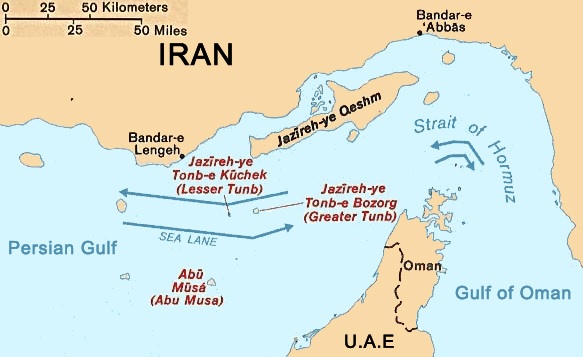
Vessel transits through the Strait of Hormuz remained in the single digits at four on Tuesday, Reuters reported on September 16 citing preliminary shipping data, falling well short of a 10-day average of 18.
The count was down from seven on Monday, a reminder that the waterway that handled one-fifth of the world's oil and liquefied natural gas supply before the Iran war is still operating far below pre-conflict norms.
Of the four commodity vessels on Tuesday, two ships were exiting and two were entering according to the dataset.
No very large crude carriers or liquefied natural gas tankers were involved in the Tuesday print.
Some ships may be sailing through the strait with automatic identification system transponders turned off and are therefore not counted in the public tally.
One very large gas carrier, Salute, carrying around 470,000 barrels of liquefied petroleum gas exited via the Iranian route.
Panamax-sized tanker Nautilus, carrying around 510,000 barrels of naphtha, exited via an unknown dark route.
The two ships that entered were both laden, with one being a short-range dirty products tanker and the other a dry bulk carrier, both entering via the Iranian route.
Meanwhile, the number of ships sailing through the Bab el-Mandeb Strait was at 22 on Tuesday, little changed compared with 24 a day earlier.
Open fertilizer and sulfur trade trackers continue to describe bulk sulfur flows through Hormuz as near zero since the February conflict, even as diplomats debate temporary corridors.
BC Insight and TFI accounts put roughly 45 to 50 percent of globally traded sulfur normally transiting Hormuz, which makes a four-vessel commodity day a supply-side constraint rather than a price headline.
For Alberta forming plants and the Vancouver stem, Tuesday's AIS print confirms Middle East seaborne sulfur is still not returning at scale while Pacific loadings absorb swing tonnes.
Canadian export volumes through Vancouver rose in 2025 and early 2026 on inventory draws and supportive FOB margins while Gulf load ports stayed impaired.
Desk read: September 16 is a lower Tuesday count than Monday's seven-vessel print and a softer 10-day average than the mid-September weekend window. Watch insured bulk sulfur restarts before reading Pacific basis as easing.