
Outlook · 2021-09-15
Supply tightness and elevated dry-bulk freight into autumn 2021
Third-quarter 2021 solidified a tighter global sulfur balance as refinery utilization improved unevenly and phosphate buyers competed for solid cargoes. An Argus Sulphur sample report dated 23 September 2021 showed FOB Vancouver contract indications near $184-194 per tonne for third-quarter 2021 alongside Middle East FOB spots near $189-191 per tonne, with large-vessel Middle East-South China freight cited around $44-46 per tonne. Tampa third-quarter 2021 molten was listed near $195 per long ton in that same public sample sheet. Hubs had converged in the $180s-$190s even as freight differentiated delivered cost. These are public sample-sheet prints already in the intel file, not a licensed weekly assessment grid redistributed as a table. USGS later put fourth-quarter Tampa near $183 per long ton after mid-June about $192 in BC Insight's telling. Licensed weekly grids beyond the sample are not restated here.
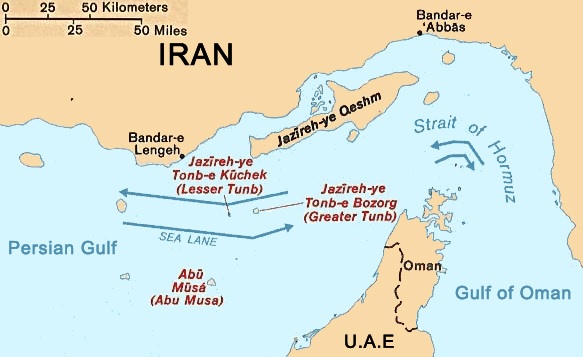
Elevated dry-bulk rates after the 2021 freight rebound raised delivered costs into China, India, and Brazil even when FOB was only moderately firm. Large-vessel Middle East-South China freights near $44-46 per tonne meant Asian buyers paid a substantial logistics premium on Gulf origins, while smaller Handymax parcels cost still more. Chinese trade press put Middle East-Yangtze freight on a path from about $27 per tonne early in the year toward peaks near $69. The September sample's $44-46 sits inside that climb. Canadian exporters faced the dual constraint of forming and rail capacity inland and vessel programmes on the Pacific. Canadian Pacific stems competed on open-ocean routing without a Hormuz chokepoint, but inland rail and forming still set the pace of offer volumes. Dry-bulk strength across the wider commodity complex raised the opportunity cost of holding vessels for sulfur versus grain or coal.
Alberta recovered sulfur still leaves mainly through the Vancouver stem. Port of Vancouver sulphur would still finish 2021 at 2.29 million tonnes, down 14 percent from 2020. Third-quarter FOB in the $184-194 band is firmer Pacific solid than early 2021, last seen around early 2014 in mid-year BC Insight language. It did not rewrite the calendar-year stem. Stems programmed in a softer first half loaded at a trough run-rate. Heartland's 30 June tank and Argus's Western Canada forming-project note are the inland capacity that third-quarter FOB was starting to pay. Sultran's more than 1,500 gondolas to Port Moody and North Vancouver are the rail half. South Cheecham was still two years from commencement.
Peter Harrison's CRU outlook at Sulphur + Sulphuric Acid 2021 predicted the demand rebound would persist into 2022 with China substituting some pyrite-based acid for sulfur burning, and saw prices peaking in first-quarter 2022. The call preceded the actual second-quarter 2022 blow-off that took Vancouver near $478 FOB. Conference calls are not USGS prints. The same conference flagged Indonesia sulfur demand roughly doubling by 2025 as HPAL ramped, and US lithium acid consuming an extra about 1.2 million tonnes a year of sulfur by 2030. Phosphate remained the organizer. Battery-metals acid became a second structural pillar in the slides. CRU also projected strong phosphate base-demand growth through 2022-23, mainly in Morocco and Saudi Arabia, before tapering toward roughly 1.0 million tonnes a year more normal growth.
Conference reporting described Europe's commercial sulfur balance tightening as oil-refinery recovery and German sour-gas supply declined, raising interest in remelter projects. Tighter European balances increased reliance on Middle East and North American seaborne and rail sulfur. The same notes recorded March and later September storm disruptions to North American sulfur logistics alongside recovering US refinery utilization. Temporary outages tightened regional molten availability even as global recovered supply remained structurally adequate. Europe's sour-gas decline is structural. North American storms are weather. Both raised the bid for Canadian rail and Gulf granules.
BC Insight's 2021 conference summary noted continuing declines in Alberta conventional sour-gas sulfur, partially offset by British Columbia rebound and oil-sands growth. The structural shift toward Fort McMurray concentrated Canadian solid-export logistics on remelt-form-rail-Vancouver chains. USGS Canada about 4.9 million tonnes, US about 8.1 million, world about 80 million, is the recovered planet. Argus expected just over 3 million tonnes of new 2021 capacity, concentrated in Saudi Arabia, Qatar, and Kuwait, plus Chinese projects toward a 40 percent production rise by 2025. Incremental Gulf tonnes and a tightening commercial balance coexisted. Price still sat in the $180s-$190s. Demand-side phosphate and, two weeks later, Chinese inspections would pull harder than Al Fadhili and Barzan pushed.
Alberta recovered sulfur still leaves mainly through the Vancouver stem. World tightness shows up there as FOB in the $184-194 band and a harbour still heading for a 2.29 million tonne trough year. Autumn 2021 sits at the hinge between pandemic recovery and the 2022 spike. That freight layer would intensify again in May 2022 when Vancouver-China sulfur freights printed in the low-to-mid $40s per tonne on a public Argus sample, confirming that 2021's elevated logistics costs were a prelude rather than a one-off. UNCERTAIN: how much of the September 2021 Vancouver-Asia delivered premium reflected bunker and vessel scarcity versus sulfur-specific tightness. The sample sheet's juxtaposition of hubs is the public anchor. Average third-quarter Vancouver-China sulfur freight has no continuous open index.
Chinese authorities would move to restrict DAP and MAP exports from about 15 October, two weeks after this 15 September desk date. Third-quarter 2021 is still the $180s-$190s cluster without that dated policy. Fourth-quarter firmness is the next brief. Phosphate DAP Morocco $584 and Brazil MAP $714 in mid-year reviews are the demand that put sulfur in this cluster. Affordability had not yet broken. It would in July 2022.
Key points
- Argus sample (23 Sep 2021): FOB Vancouver 3Q contract band ~$184-194/t; Tampa 3Q ~$195/lt.
- Same sample: ME-South China large-vessel freight ~$44-46/t.
- Global dry-bulk rebound in 2021 lifted sulfur ocean cost components.
- Canadian solid export remained the Pacific alternative to Middle East granular.
- UNCERTAIN: average Q3 2021 Vancouver-China sulfur freight (no continuous open index).
30-day watchlist
- 15 October Chinese phosphate-export inspection start versus this $180s-$190s hub cluster.
- USGS fourth-quarter Tampa versus the sample's ~$195/lt third-quarter listing.
- Any public Vancouver monthly loading into autumn versus the 2.29 Mt trough year.
- Middle East FOB follow-through after the sample's $189-191/t spots.
Sources
- Argus Sulphur sample report (23 Sep 2021)
- USGS Mineral Commodity Summaries 2022 - Sulfur
- Sulphur + Sulphuric Acid 2021 conference wrap (BC Insight)
Public reference summary. Weekly PRA assessments require a commercial license. Not investment advice.
Public-source summary. Not investment advice. Unsubscribe from the email edition: reply UNSUBSCRIBE or email [email protected].